新書推薦:

《
折姜(中)
》
售價:NT$
239

《
清华大学藏战国竹简校释(伍):《筮法》诸篇
》
售價:NT$
500

《
我们都会变有钱:投资的道与术
》
售價:NT$
296

《
人体使用指南:没有什么比身体更重要
》
售價:NT$
429

《
黄土馆事件
》
售價:NT$
374
《
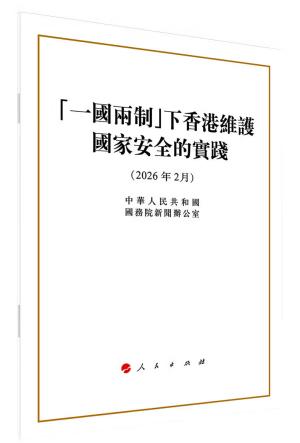
“一国两制”下香港维护国家安全的实践(16开本繁体字版)
》
售價:NT$
88

《
2025年《咬文嚼字》合订本(平)
》
售價:NT$
435

《
土地:对所有权的渴求如何塑造现代世界
》
售價:NT$
374
|
| 編輯推薦: |
|
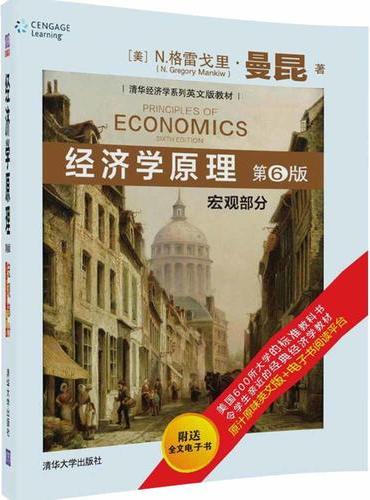
为了适应经济全球化的发展趋势,满足国内广大读者了解、学习和借鉴国外先进的管理经验和掌握经济理论前沿动态的需要,清华大学出版社与国外著名出版公司合作影印出版一系列英文版经济管理方面的图书。我们所选择的图书,基本上是已再版多次、在国外深受欢迎并被广泛采用的优秀教材,是该领域中具有权威性的经典之作。
|
| 內容簡介: |
|
曼昆教授的《经济学原理》是一本广受欢迎的经典经济学教材。全书主要从供给与需求、企业行为与产业组织、长期经济增长与短期经济波动、宏观经济政策等角度,深入浅出地讲述经济学的基本思想和基本原理,强调经济学原理的应用与政策分析。书中还提供了新闻摘录、案例研究等,说明经济学原理在现实经济生活中的应用。本册为宏观部分。本书为英文版,并附送电子书阅读平台,曼昆教授原汁原味的英文和经济学原理同样具有魅力。本书适用于经济管理类本科生、研究生、MBA学生,以及所有的经济学爱好者。
|
| 關於作者: |
|
N.格雷戈里曼昆(N. Gregory Mankiw),哈佛大学经济学教授。作为学生,他曾在普林斯顿大学和麻省理工学院学习经济学;作为教师,他讲授过宏观经济学、微观经济学、统计学和经济学原理。多年前他还在长滩岛当过一个夏季的帆船教练。曼昆教授是一位高产的学者和一位学术与政治争论的经常参与者。他的著作发表在《美国经济评论》(American Economic Review)、《政治经济学杂志》(Journal of Political Economy)和《经济学季刊》(Quarterly Journal of Economics)等学术杂志,以及《纽约时报》(The New York Times)、《华尔街日报》(The Wall Street Journal)等热门报刊上。曼昆教授还是美国国家经济研究局(NBER)的研究人员,国会预算办公室和波士顿、纽约联邦储备银行的顾问,美国教育考试服务中心(ETS)经济学先修课程考试研发委员会成员。20032005年,他曾担任美国总统经济顾问委员会主席。
|
| 目錄:
|
简
明 目 录
第八篇
宏观经济学的数据
1 489
第 23章 一国收入的衡量 3
491
第24章 生活费用的衡量25 513
第九篇
长期中的实际经济
41 529
第25章 生产与增长43 531
第26章 储蓄、投资和金融体系67 555
第十篇
长期中的货币与物价
89 617
第29章 货币制度91 619
第 30章 货币增长与通货膨胀 115 643
第十二篇
短期经济波动 141
717
第 33章 总需求与总供给 143
719
第 34章 货币和财政政策对总需求的影响 181 757
术语表
209 833
|
| 內容試閱:
|
preface
Economics is a study of mankind in the ordinary business of life. So wrote Alfred Marshall, the great 19th-century economist, in his textbook,Principles of Economics. Although we have learned much about the economysince Marshalls time, this definition of economics is as true today as itwas in 1890, when the first edition of his text was published.Why should you, as a student at the beginning of the 21st century, embark onthe study of economics? There are three reasons.The first reason to study economics is that it will help you understand theworld in which you live. There are many questions about the economy that mightspark your curiosity. Why are apartments so hard to find in New York City? Whydo airlines charge less for a round-trip ticket if the traveler stays over a Saturdaynight? Why is Johnny Depp paid so much to star in movies? Why are living stan-dards so meager in many African countries? Why do some countries have highrates of inflation while others have stable prices? Why are jobs easy to find insome years and hard to find in others? These are just a few of the questions that acourse in economics will help you answer.The second reason to study economics is that it will make you a more astuteparticipant in the economy. As you go about your life, you make many economicdecisions. While you are a student, you decide how many years to stay in school.Once you take a job, you decide how much of your income to spend, how muchto save, and how to invest your savings. Someday you may find yourself runninga small business or a large corporation, and you will decide what prices to chargefor your products. The insights developed in the coming chapters will give youa new perspective on how best to make these decisions. Studying economics willnot by itself make you rich, but it will give you some tools that may help in thatendeavor.The third reason to study economics is that it will give you a better understand-ing of both the potential and the limits of economic policy. Economic questionsare always on the minds of policymakers in mayors offices, governors mansions,and the White House. What are the burdens associated with alternative forms oftaxation? What are the effects of free trade with other countries? What is the bestway to protect the environment? How does a government budget deficit affectthe economy? As a voter, you help choose the policies that guide the allocation ofsocietys resources. An understanding of economics will help you carry out thatresponsibility. And who knows: Perhaps someday you will end up as one of thosepolicymakers yourself.Thus, the principles of economics can be applied in many of lifes situations.Whether the future finds you reading the newspaper, running a business, or sit-ting in the Oval Office, you will be glad that you studied economics.N. Gregory Mankiw December 2010
|
|

 購物車/收銀台(0) | 在線留言板
| 付款方式
| 聯絡我們
| 運費計算
| 幫助中心 |
加入書簽
購物車/收銀台(0) | 在線留言板
| 付款方式
| 聯絡我們
| 運費計算
| 幫助中心 |
加入書簽 HOME
HOME 新書上架
新書上架