新書推薦:
《
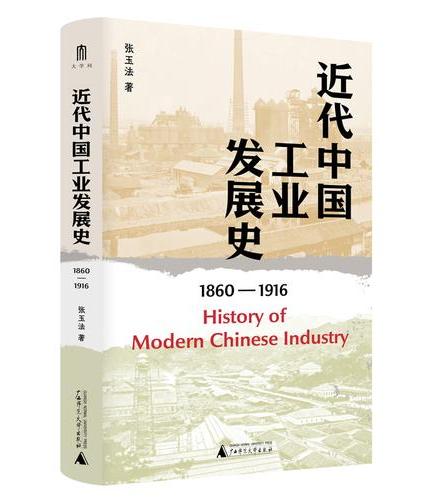
大学问·近代中国工业发展史(1860—1916)(著名历史学家张玉法先生学术代表作)
》
售價:NT$
403

《
战争与人性
》
售價:NT$
332

《
品格之路 戴维布鲁克斯著《社会动物》《如何了解一个人》作者布鲁克斯经典作品 自我价值 心理学书
》
售價:NT$
449

《
可怜的东西
》
售價:NT$
398
《
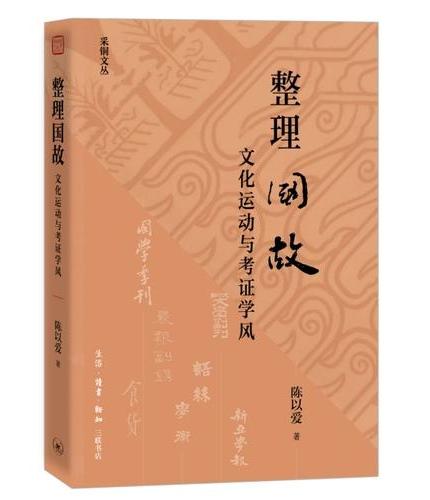
整理国故:文化运动与考证学风
》
售價:NT$
551

《
霍布斯的政治科学及其起源
》
售價:NT$
398

《
百年星辰:寻找现代中国的大师
》
售價:NT$
500

《
情绪的真相:关于情绪的内在力量
》
售價:NT$
347
|
| 編輯推薦: |
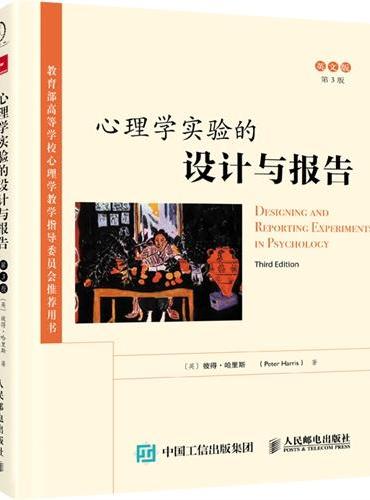
《心理学实验的设计与报告(第3版,英文版)》已连续重印十余次,在英美的大专院校中被公认为该领域的品牌书。
本书语言简练,易读易懂,操作性强,可作为我国高等院校心理学专业广大师生的教材或教学参考书,也可作为心理学工作者撰写心理学研究报告或论文的参考手册。
|
| 內容簡介: |
许多心理学课程都要求学生们设计实验、撰写实验报告或研究报告。本书旨在为撰写实验报告和设计实验提供具体的指导。
《心理学实验的设计与报告(第3版,英文版)》共分两编,第一编围绕如何撰写实验报告而展开,详略得当地介绍了报告的每个主要组成部分,指出了各部分在撰写中应该注意的问题,并根据最新版的《APA论文写作与发表规范》,提供了相应的实验示例。第二编是关于实验设计与统计方法的内容。就心理学研究中经常采用的几种实验设计方法以及相关的统计方法做出了概要的介绍和评价,介绍了学生在日常学习中容易忽视,但却非常重要的两个概念:效力和效应大小;同时对报告中如何呈现图、表的问题进行了具体说明。
《心理学实验的设计与报告》(第3版)与前两版相比,在每一章都增加了新的小节,补充了新的内容,使内容更加丰富详实,更具操作性和指导性。
本书既可作为心理学、教育学等社会科学研究专业的学生的教科书,也可作为研究人员在设计实验和撰写研究报告时的参考书。
|
| 關於作者: |
|
彼得·哈里斯(Peter Harris),获伦敦大学心理学博士学位,现为英国谢菲尔德大学心理学系的高级讲师。他曾先后任职萨赛克斯大学、赫特福德大学和诺丁汉大学,也曾在阿姆斯特丹大学和牛津大学做过访问学者。他主要的研究方向是社会和健康心理学。
|
| 目錄:
|
Contents of the Web site
Preface
To students
How to use this book
To tutors xxi
Part 1 Writing reports
1 Getting started
1.1 Experienced students, inexperienced students,
and the report
1.2 Writing the report 8
1.3 The importance of references in text
1.4 The practical report and the research paper
1.5 Finding references for your introduction
1.5.1 How to structure your reading and what
to look for
1.5.2 Generating potential references
1.5.4 Rubbish and temptation on the Internet
1.6 Ethics 18
1.7 The rest of the book and the book’s Web site
2 The INTRODUCTION section
2.1 The ?rst part of the introduction: reviewing the
background to your study
2.2 Inexperienced students, experienced students,
and the introduction
2.3 Your own study
3 The METHOD section
3.1 The design subsection
3.2 The participants subsection
3.3 The apparatus or materials subsection
3.4 The procedure subsection
3.5 Interacting with and instructing participants
3.6 Optional additional subsections of the method
3.6.1 Pilot test
3.6.2 Ethical issues
3.6.3 Statistical power
3.7 Writing a method when your study is not an experiment
4 The RESULTS section
4.1 Describing the data: descriptive statistics
4.2 Analysing the data: inferential statistics
4.3 An example results section
4.4 Nine tips to help you avoid common mistakes in
your results section
4.5 Rejecting or not rejecting the null hypothesis
4.6 Reporting speci?c statistics
4.6.1 Chi-square, χ2
4.6.2 Spearman rank correlation coef?cient rho, rs
4.6.3 Pearson’s product moment correlation coef?cient, r
4.6.4 Mann-Whitney U test, U
4.6.5 Wilcoxon’s Matched-Pairs Signed-Ranks Test, T
span style="color:#666666;font-family:, Arial, Lucida, Verdana, Helvetica, sans-serif;background-colo
|
| 內容試閱:
|
When you ?rst signed up for a psychology course, the chances arethat you did not really expect what was coming, particularly the emphasis on methodology and statistics. For some of you this may have been a pleasant surprise. For most, however, it will undoubtedly have been a shock to the system. No doubt in other parts of your course you will examine critically academic psychology’s scienti?c aspirations. My task in this book is to help you as best I can to face up to one of its major consequences for you. This is the prominence given in many psychology courses to doing practical work especially experimenting and the requirement in most instances to write up at least some of this work in the form of a highly structured and disciplined practical report.
All a report is really is the place in which you tell the story of your study; what you did, why you did it, what you found out in the process, and so on. In doing this you are more like an ancient storyteller, whose stories were structured by widely recognized and long-established conventions, than a modern novelist who is free to dictate form as well as content. Moreover, like the storytellers of old, although our will invariably be telling your story to someone who knows quite a bit about it already, you are expected to present it as if it had never been heard before. This means that you will need to spell out the details and assume little knowledge of the area on the part of your audience. The nature of your story – the things that you have to talk about is revealed in Box 1.1.
1 What you did
2 Why you did it
3 How you did it
4 What you found including details of how you analysed the data
5 What you think it shows
Box 1.1 The information you should provide in your practical report.
Title
Abstract
Introduction
Method
Results
Discussion
References
Appendices if any
Box 1.2 The sections of the practical report.
Our ?rst clue as to the nature of the conventions governing the report comes with a glance at its basic structure. The report is in sections, and these sections by and large follow an established sequence. What this means is that, in the telling, your story needs to be cut up into chunks: different parts of the story should appear in different places in the report. The typical sequence of the sections appears in Box 1.2.
……
|
|

 購物車/收銀台(0) | 在線留言板
| 付款方式
| 聯絡我們
| 運費計算
| 幫助中心 |
加入書簽
購物車/收銀台(0) | 在線留言板
| 付款方式
| 聯絡我們
| 運費計算
| 幫助中心 |
加入書簽 HOME
HOME 新書上架
新書上架